Ductwork in Gulf Coast Attics: Leaks, Sealing and When to Replace
Your ducts carry the cooling you paid for through the hottest room in the house, so the condition of the duct system matters.
October 20, 2026 · 4 min read
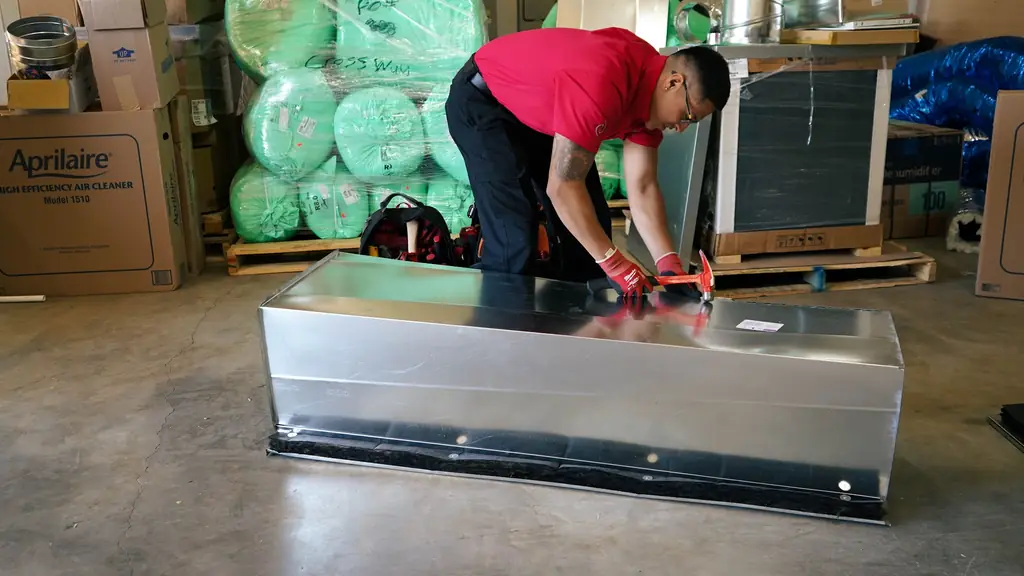
In most homes around Tomball, the air conditioner is only half the system. The other half is the ductwork, and a lot of it runs through the attic, where the summer air gets hotter than anywhere else on your property. Every foot of duct up there has a hard job.
When ducts leak, tear or collapse, the cooling you paid for goes into the attic instead of your living room. Here's how to tell if yours need attention, and what the options are.
Signs your ducts may be leaking
Ducts are out of sight, so the clues show up in the house. Watch for these:
- One or two rooms that never get as cool as the rest
- A system that runs for long stretches and still can't keep up
- Dust that returns quickly after you clean
- Utility bills that climb without a change in how you live
- Supply registers with weak airflow, or ducts that sweat in the attic
None of those proves a duct problem on its own. A dirty filter or a weak blower can cause some of them. But if several apply, it's worth having the ducts looked at.
What goes wrong in an attic
Attic heat is hard on materials. Cloth-backed tape dries out and lets go. Flexible duct gets crushed under stored boxes or someone's boot, kinked at a corner, or pulled loose from a connection. Insulation sleeves tear. Joints at the plenum, the metal box that connects the duct system to the air handler, are common leak points.
Return-side leaks are especially sneaky. A leak on the return pulls hot, dusty attic air into the system, and you end up cooling air that was never meant to be in your house.
Sealing ducts with mastic
The standard fix for leaks at joints and connections is mastic, a thick paste that's brushed over the seams and hardens into a flexible seal. It holds up in attic heat far better than tape. You can see it in our photos of attic work, where the plenum connections are coated and sealed.
Sealing makes the most sense when the duct system is sound but the joints aren't. If the ducts themselves are in good shape, sealing is a modest repair that lets the system deliver what it's already producing.
When replacement is the better call
Some ductwork is past the point where patching helps. Replacement is worth considering when:
The flex duct is brittle, collapsed or torn in many places. The insulation is wet, stained or falling off. The system was designed for a different layout or a smaller or larger piece of equipment than you have now. Past repairs keep coming back. Or the ducts have been through flooding.
That last one is real in this part of Texas. One of our customers, Kathy Hofmann, wrote in a Google review, "We've flooded several times in the past and needed lots of A/C repairs and replacements." She had been a customer for 15 years. After she moved to higher ground, she wrote that "most recently Brian's team replaced our furnaces and all of the ductwork which was a huge job and their craftsmanship and teamwork was remarkable."
Design matters as much as sealing
Even a perfectly sealed duct system can underperform if it was poorly laid out. Ducts that are too small restrict airflow, and ducts that are too long or too twisted lose pressure before the air reaches the room. That's why duct planning and design is its own service, not an afterthought.
A technician can measure what each register is actually delivering with a flow hood, a tool that fits over the grille and reads airflow directly. Our crew uses one. It turns a vague complaint like "the back bedroom is warm" into a number you can act on.
Built in our own shop
When a job calls for new sheet-metal plenums, we fabricate them in our own shop rather than ordering a stock box and forcing it to fit. A plenum made to the actual dimensions of your air handler and attic lines up cleaner and seals better.
What about duct cleaning?
Air duct cleaning is a separate service from sealing, and the two solve different problems. Cleaning removes dust and debris that has built up inside the ducts. It does nothing for a leak or a tear. If you suspect leaks, deal with those first, because cleaning ducts that are pulling in attic dust through gaps won't stay clean for long.
Where to start
Have a technician look at the whole system, not just the equipment. Ask them to check the attic ducts, the plenums and the connections, and to measure airflow at the registers. Ask what they found and what they'd do about it, then decide between sealing, repairing sections or replacing the whole run.
Our ductwork services cover planning and design, installation, repair, replacement, sealing and cleaning. See /services/ductwork or call 832-250-6191.
Crossway Mechanical, 832-250-6191
Call 832-250-6191More articles
What Superheat and Subcooling Tell You About Your AC
Two numbers on a technician's tablet say more about your system's charge than any guess ever will.
Getting a Second Opinion When Someone Says Your Compressor Is Bad
A compressor replacement is one of the biggest repairs an AC can need, and it's fair to ask for proof first.